Bathroom Remodel Contractors: 7 Proven Tips for Hiring Top Local Pros
Finding reliable bathroom remodel contractors is the single most important decision you will make when updating your bath space. Remodeling a bathroom is one of the most rewarding investments you can make in your home, boosting daily comfort, modernizing outdated layouts, and delivering one of the highest returns on investment (ROI) of any interior renovation project.
However, wet-area construction requires precise waterproofing, electrical safety compliance, and specialized plumbing work. A minor mistake in subfloor prep or tile membrane installation can lead to hidden water leaks, toxic mold growth, and thousands of dollars in structural floor repairs down the road. Knowing how to locate, evaluate, and hire qualified local contractors ensures your project runs smoothly, stays on schedule, and yields flawless craftsmanship.
In this exhaustive guide, we will break down everything you need to know about hiring specialists. You will learn realistic US costs, crucial waterproofing techniques, permitting rules, red flags to avoid, and essential contract safeguards.
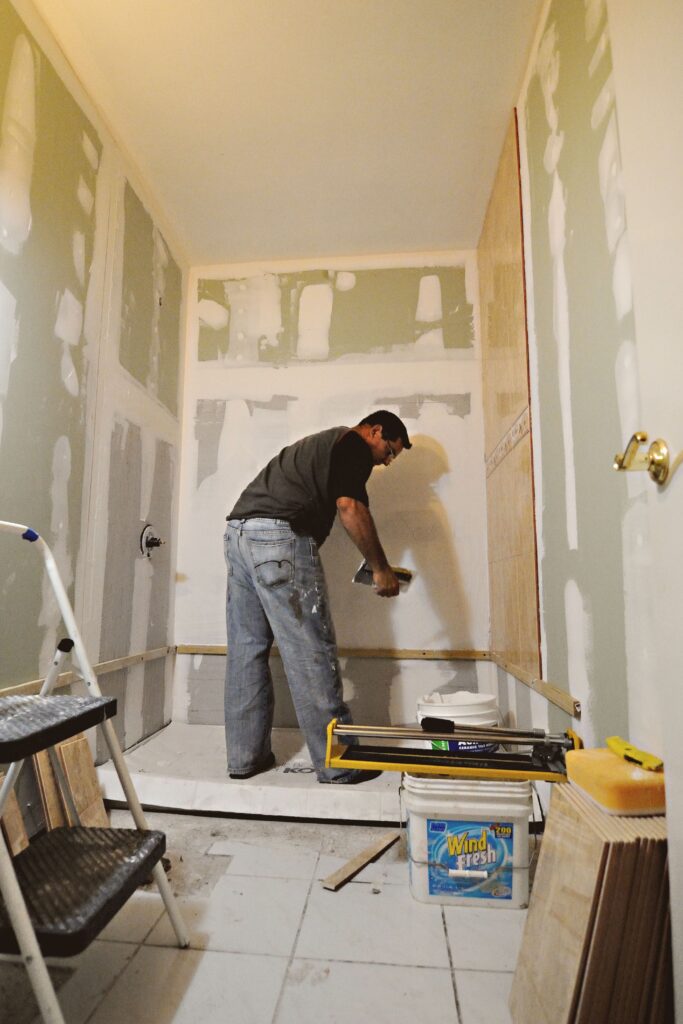
Table of Contents
1. Why Hiring Specialist Bathroom Remodel Contractors Matters
When planning a bathroom overhaul, homeowners often wonder whether a general handyman or a dedicated bath contractor is best suited for the job. While a handyman can handle minor cosmetic updates like replacing a faucet or mounting a medicine cabinet, full-scale remodels demand specialized bathroom remodel contractors.
Bathrooms combine high-voltage electrical lines, pressurized water supply lines, heavy tile materials, and constant moisture within a compact footprint. Experienced contractors coordinate licensed plumbers, certified electricians, and master tile setters who understand structural load requirements, vapor management, and local building codes.
Working with experienced professionals protects your home against subfloor rot, improper shower pan drainage slopes, and dangerous wiring errors around water sources.
2. Realistic US Costs for Hiring Bathroom Remodel Contractors
Establishing a clear budget is crucial before contacting candidates. Across the United States, hiring bathroom remodel contractors typically costs between $6,500 and $35,000+, depending on bathroom size, material grade, and structural layout adjustments.
Labor charges for specialized trades usually represent 45% to 55% of your total project invoice, while raw materials, plumbing fixtures, glass enclosures, and municipal permits cover the remainder.
| Bathroom Remodel Scope | Average Cost Range (US) | Typical Project Timeline | Primary Cost Drivers |
| Powder Room / Half-Bath | $3,500 – $8,000 | 1 to 2 weeks | New vanity, toilet swap, lighting, flooring |
| Guest Bath (Full Update) | $8,500 – $18,500 | 2 to 3 weeks | Prefab or tile tub surround, new vanity, flooring |
| Master Bath Conversion | $18,000 – $38,000 | 3 to 5 weeks | Custom tiled walk-in shower, double vanity, plumbing moves |
| Luxury / Curbless Spa Suite | $35,000 – $65,000+ | 5 to 8 weeks | Zero-entry curbless pan, frameless glass, heated floors, stone |
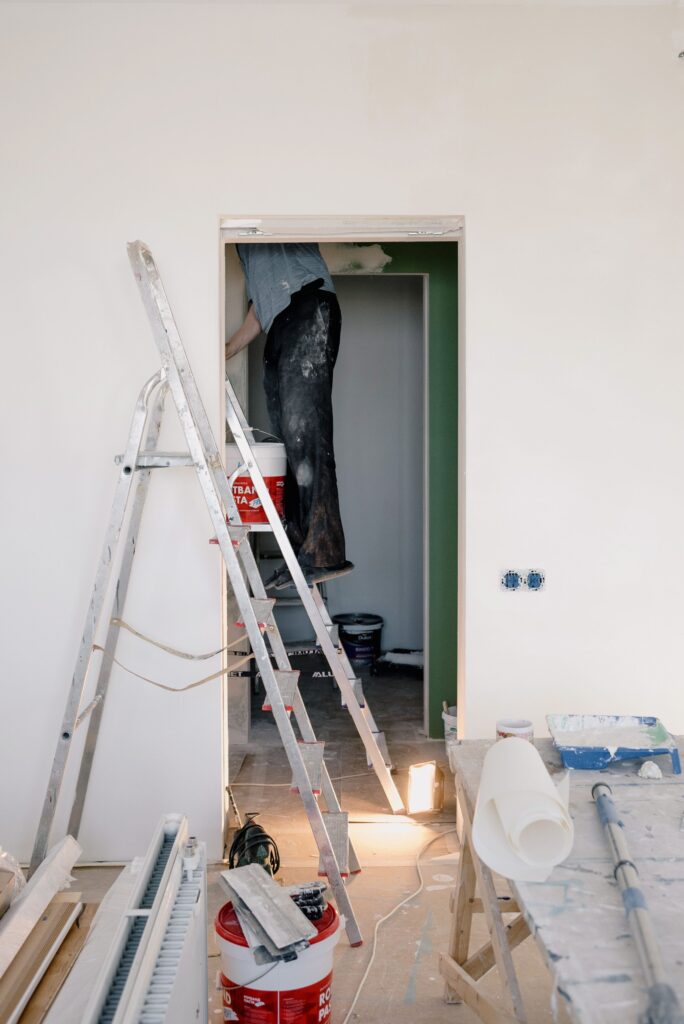
Major Expense Drivers in Bath Remodeling
- Plumbing Relocation: Keeping your toilet, sink, and shower in their original locations keeps labor costs low. Moving drain lines or supply stacks through subfloor joists adds $1,500 to $3,500 in licensed plumbing labor.
- Custom Tile vs. Prefab Enclosures: Prefabricated acrylic wall inserts install quickly and cost less, whereas custom porcelain, ceramic, or marble tile requires detailed waterproofing preparation and skilled manual labor.
- Electrical Upgrades: Modern bathrooms require dedicated 20-amp GFCI circuits to power high-wattage hair dryers, radiant floor heating, and exhaust fan ventilation systems safely.
3. Essential Waterproofing & Plumbing Standards
Understanding the technical aspects of wet-area construction helps you evaluate whether prospective bathroom remodel contractors use industry-standard practices behind your shower walls.
                   [Shower Wall & Pan Waterproofing Layers]
                                       |
    +----------------------------------+----------------------------------+
    |                                                                     |
[1. Structural Subfloor / Studs]     [2. Waterproof Membrane]      [3. Mortar & Custom Tile]
  • Solid 3/4" plywood base          • Schluter-KERDI / Liquid sheet   • Thin-set mortar bed
  • 2" drain pipe conversion         • Pre-sloped shower pan           • Sealed grout lines
Critical Waterproofing Guidelines
- Shower Pan Slope: The base under your shower tile must feature a minimum slope of 1/4-inch drop per foot toward the drain to ensure fast water runoff.
- Continuous Vapor Barriers: Contractors must apply a certified sheet membrane (such as Schluter-KERDI) or liquid-applied waterproofing membrane over cement backer boards before laying tile.
- Drain Pipe Sizing: Standard bathtubs use 1.5-inch drain lines, but building codes require a 2-inch drain pipe for walk-in showers to prevent standing water overflow.
Verify trade credentials and licensing standards through reputable trade organizations like the National Kitchen & Bath Association (NKBA) and official state lookup tools like the National Association of State Contractors Licensing Agencies (NASCLA).

4. Step-by-Step Vetting Guide for Finding Local Builders
Finding top-tier bathroom remodel contractors requires systematic vetting rather than choosing the lowest bidder. Follow these seven steps to select the right team:
Step 1: Seek Personal Referrals
Ask friends, neighbors, or colleagues who completed bathroom remodels recently about their experience, project timelines, and overall craftsmanship.
Step 2: Verify Active License & Insurance
Request proof of active General Liability Insurance (minimum $1,000,000 coverage) and active Worker’s Compensation insurance sent directly from the contractor’s insurance agent.
Step 3: Check Local Customer References
Speak directly with at least three past clients who had similar wet-area work done in the last 12 months. Inquire about communication, site cleanup, and adherence to initial budget estimates.
Step 4: Demand Itemized Estimates
Require detailed line-item bids that separate demolition, plumbing labor, electrical work, waterproofing systems, tile installation, and fixture allowances.
Step 5: Review Active Job Sites
Visit an active job site to check for clean working conditions, floor protection runners, dust barriers, and proper safety equipment.
5. Red Flags to Avoid When Reviewing Proposals
Avoid working with bathroom remodel contractors who exhibit any of these dangerous warning signs during initial discussions:
- Requesting Over 30% Upfront: Reputable contractors do not demand massive cash deposits before materials are delivered or demolition begins.
- Skipping City Building Permits: Pushing you to skip municipal inspections or apply as an “owner-builder” indicates a lack of proper licensing or active insurance suspensions.
- Refusing Written Contracts: Relying on verbal promises or informal text messages leaves you unprotected if disputes arise.
- Unusually Low “Lowball” Bids: Extremely low bids often signal cheap waterproofing materials, unpermitted labor, or hidden change-order fees mid-project.
6. Key Questions to Ask During Initial Consultation Meetings
Before signing an agreement with bathroom remodel contractors, ask these crucial technical questions:
- “What specific waterproofing membrane system do you install behind shower tile?”
- “Will you expand the existing shower drain pipe to 2 inches to meet code?”
- “Do you handle all municipal plumbing and electrical building permits?”
- “Who will manage the job site on a daily basis?”
- “What is your written warranty on waterproofing and tile installation?”
7. Contract Protection & Staged Milestone Payments
Protect your investment by establishing a clear contract with your selected bathroom remodel contractors.
                   [Standard Staged Milestone Payment Schedule]
                                       |
    +----------------------------------+----------------------------------+
    |                                                                     |
[10% - 15% Deposit]               [75% - 80% Progress Payments]     [10% Final Retainage]
  • Contract execution             • Paid at verified milestones     • Final punch-list walkthrough
  • Permit submission              • Rough plumbing & tile complete  • Signed lien waivers delivered
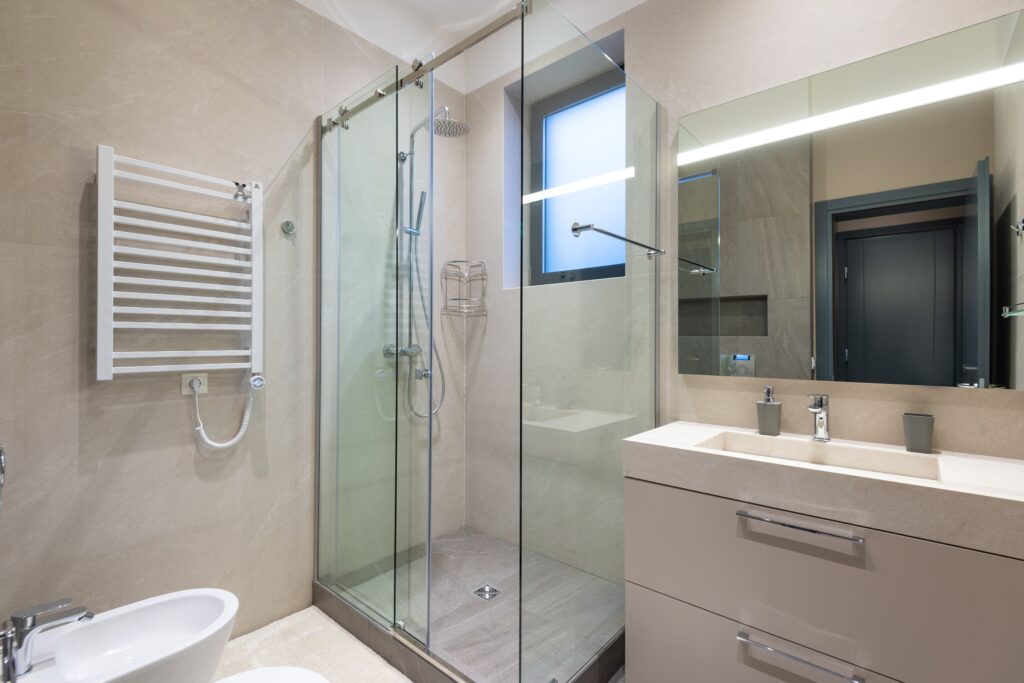
Key Contract Safeguards
- Detailed Scope of Work: Itemize every task from tub removal to final plumbing trim installation.
- Specific Material Specifications: List exact fixture models, tile sizes, vanity specs, and paint colors.
- Written Change-Order Policy: Require all cost adjustments and timeline changes to be documented in writing and signed by both parties.
- Unconditional Lien Waivers: Ensure progress payments are tied to signed lien waivers from all trade subcontractors.
8. Managing Your Bathroom Remodel Timeline & Daily Logistics
Remodeling a bathroom temporarily takes a vital home space out of service. Proper daily logistics keep your project running efficiently:
- Designate Material Staging Areas: Reserve garage or driveway space for tile boxes, vanity storage, and fixture deliveries.
- Set Up Dust Barriers: Ensure the crew installs plastic zip-wall barriers and floor runners between the entrance and the work zone.
- Plan Secondary Bath Usage: Set up essential toiletries in a secondary bathroom before demolition starts.
9. Balancing Wet-Area Engineering with Finishing Decor
While bathroom remodel contractors handle framing, plumbing stacks, and waterproofing membranes, selecting your surface styles early prevents costly construction delays.
Choosing tile colors, vanity lighting, and wall textures ahead of time allows your builder to position electrical outlet boxes and plumbing supply lines accurately.
For design inspiration that complements your new bath layout, check out our guide on stunning wall decor for living room ideas to learn how to harmonize color palettes, mirrors, and modern accents throughout your entire home.
Summary Checklist for Hiring Local Contractors
Before signing a contract with bathroom remodel contractors, double-check this final summary list:
- Verified active state license and municipal business registration.
- Confirmed General Liability and Worker’s Compensation certificates sent directly from the insurer.
- Contacted at least 3 recent client references with positive feedback.
- Received an itemized written estimate detailing labor, materials, and permit costs.
- Verified the contractor will manage municipal permits and city inspections.
- Agreed upon a staged payment schedule tied to completed work milestones (never pay 100% upfront).
- Included written change-order rules and lien waiver requirements in the final contract.
By following this step-by-step framework, you can select the right contractor, safeguard your budget, and enjoy a beautifully renovated bathroom built to last for decades.
